1 month ago
3 MIN READ
News, Blog, Case Studies, Onboarding Guides, Research

Attributy
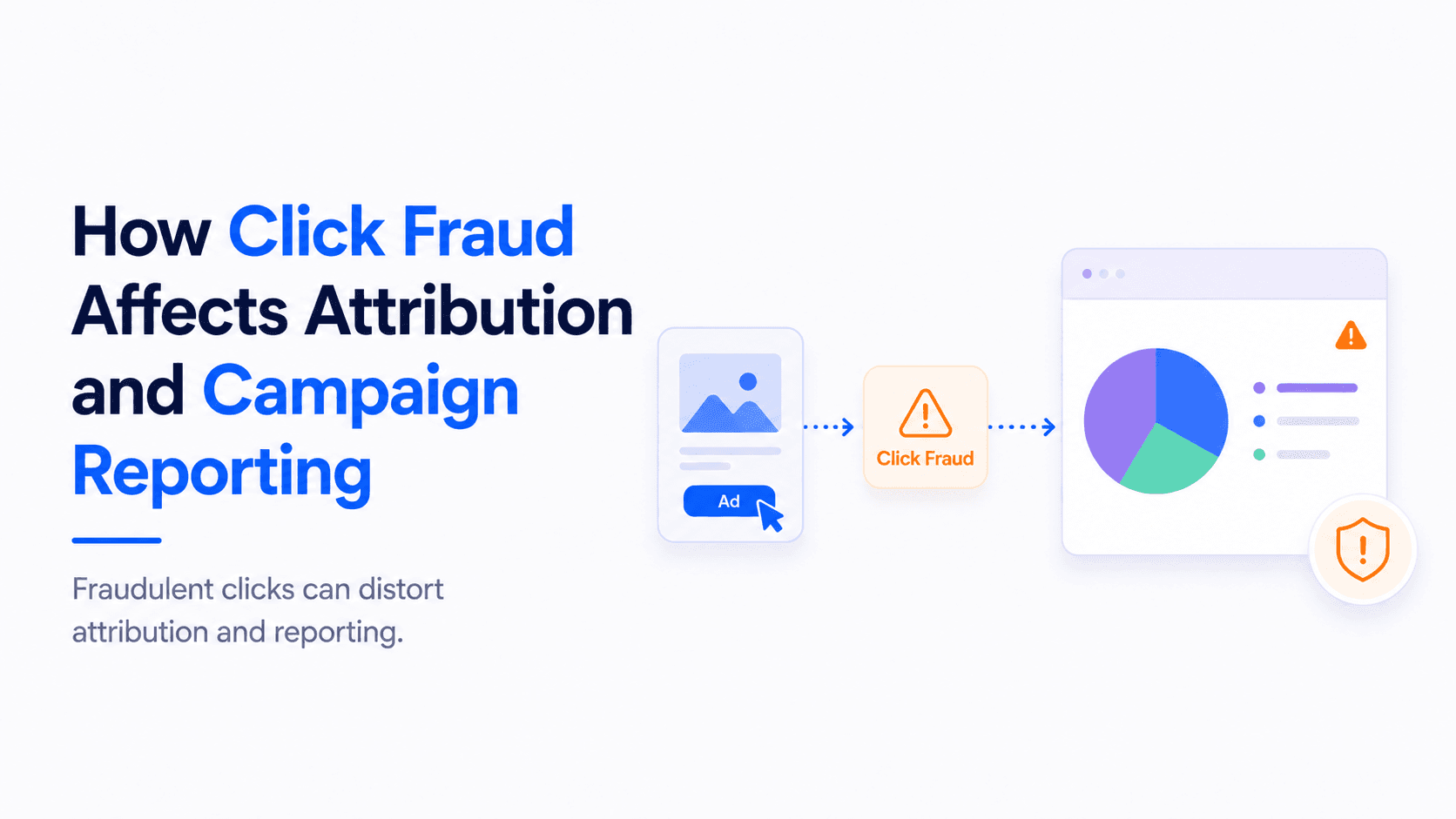
Click fraud attribution refers to the way fraudulent clicks distort how marketing teams assign credit to campaigns, channels, keywords, or ads. When fake clicks from bots, click farms, competitors, or low-quality traffic sources are counted as real engagement, attribution reports can overstate performance and mislead budget decisions.
Click fraud is closely related to invalid traffic, or IVT, which includes activity that does not come from genuine human interest. In paid media, this can include automated bot traffic, repeated clicks from suspicious sources, or incentivized clicks designed to drain ad budgets rather than generate qualified demand. For a broader definition, see this guide to what invalid traffic means in marketing.
Attribution depends on clean interaction data. If fake clicks enter the customer journey, they can make certain campaigns look more influential than they really are. This is especially risky in first-click, last-click, and multi-touch reporting because fraudulent interactions may receive credit for conversions they did not actually help create.
For example, a bot click might appear before a real buyer later converts through organic search, email, or direct traffic. If the reporting system treats that bot click as a valid touchpoint, the paid campaign may receive undeserved attribution credit. Over time, this can inflate ROAS, distort assisted conversions, and cause teams to shift budget toward traffic that looks active but does not produce real pipeline or revenue.
Click fraud detection matters because traffic quality directly affects reporting quality. Teams should monitor abnormal click patterns, unusually high click-through rates with low engagement, repeated clicks from the same sources, high bounce rates, and conversion paths that show suspicious or low-value interactions. Strong conversion tracking software can help marketers separate meaningful customer actions from noisy or invalid activity.
Marketers should treat click fraud as both a media efficiency problem and an attribution accuracy problem. Blocking bad traffic protects ad spend, but cleaning attribution data protects decision-making. If fake clicks remain in reporting, budget allocation, campaign optimization, and ROI analysis can all move in the wrong direction.
A practical approach includes reviewing traffic quality by channel, comparing click volume against real engagement, filtering known invalid traffic sources, and validating whether attributed conversions show credible customer behavior. Teams should also review how different attribution models respond to suspicious clicks, since some models are more vulnerable to inflated touchpoints than others.
The goal is not only to detect click fraud, but to prevent it from shaping campaign reporting. Cleaner attribution helps marketers understand which channels actually influence buyers, which campaigns waste spend, and where budget should be reinvested. For teams that need better visibility into suspicious traffic and performance data, Attributy can help assess measurement gaps and improve attribution confidence. You can contact Attributy to discuss your tracking and attribution needs.
You can also read
5 days ago
3 MIN READ
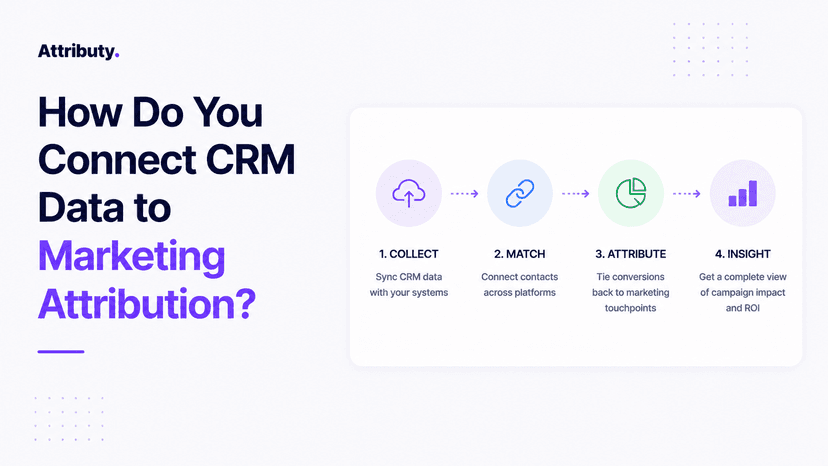
How Do You Connect CRM Data to Marketing Attribution?
How Do You Connect CRM Data to Marketing Attribution? Connecting crm to marketing attribution gives marketing and sales teams a clearer view of which campaigns, channels, and touchpoints influence pip ...
Attributy
Blog

11 days ago
3 MIN READ
Marketing Spend Optimization: How Attribution Improves Budget Decisions
Marketing spend optimization is the process of using performance data to decide where marketing budget should be increased, reduced, or reallocated. Instead of spreading spend evenly across channels, ...
Attributy
Learn
16 days ago
3 MIN READ
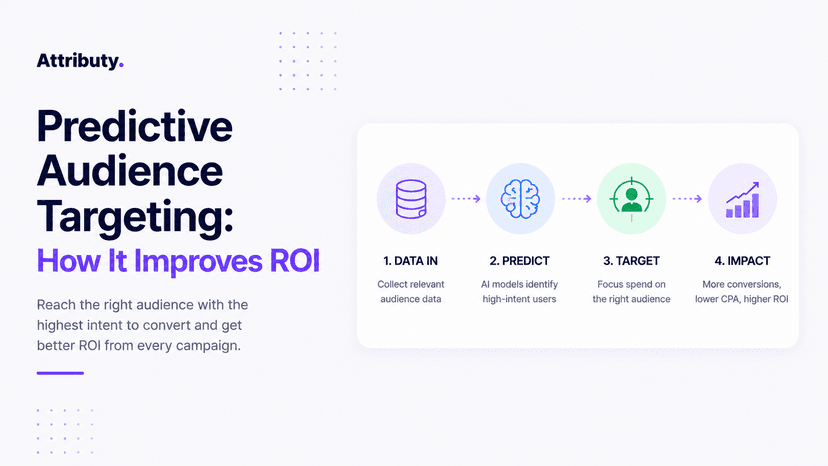
How Does Predictive Audience Targeting Improve ROI
Predictive audience targeting improves ROI by helping marketers focus budget on the users, leads, accounts, or segments most likely to convert. Instead of treating every audience member equally, predi ...
Attributy
Blog

19 days ago
3 MIN READ
What Is Marketing Mix Modeling (MMM)? Definition and Use Cases
Marketing mix modeling is a measurement method that analyzes how different marketing channels, external factors, and business conditions contribute to sales, revenue, or other outcomes over time. Ofte ...
Attributy
Learn
24 days ago
3 MIN READ
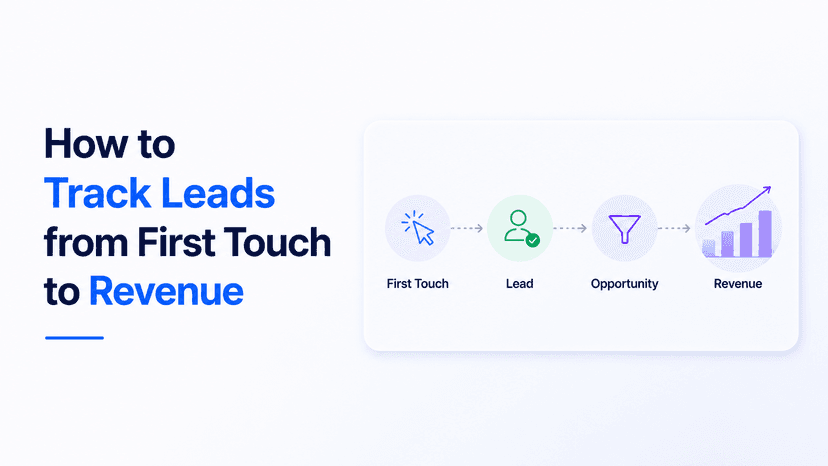
Lead Source Attribution: How to Track Leads from First Touch to Revenue
Lead source attribution is the process of identifying where a lead first came from and connecting that source to later pipeline, sales activity, and revenue. For marketing teams, it is one of the most ...
Attributy
Blog

25 days ago
3 MIN READ
Attribution Audit Checklist: Why Your Numbers Don’t Match
An attribution audit is a structured review of your tracking setup, attribution reporting, and conversion data to find why performance numbers differ across platforms. If Google Ads, GA4, Meta, CRM, a ...
Attributy
Learn
30 days ago
3 MIN READ
How to Build a Marketing Budget Plan Using ROI Signals
A marketing budget plan is a structured outline of how a business will allocate spending across campaigns, channels, tools, content, and experiments over a specific period. Instead of dividing money b ...
Attributy
Learn

1 month ago
3 MIN READ
Ad Spend Tracking: What Marketers Need to Measure
Ad spend tracking is the process of monitoring how much money your business spends on advertising and connecting that spend to measurable outcomes such as clicks, leads, conversions, revenue, marketin ...
Attributy
Learn
1 month ago
3 MIN READ
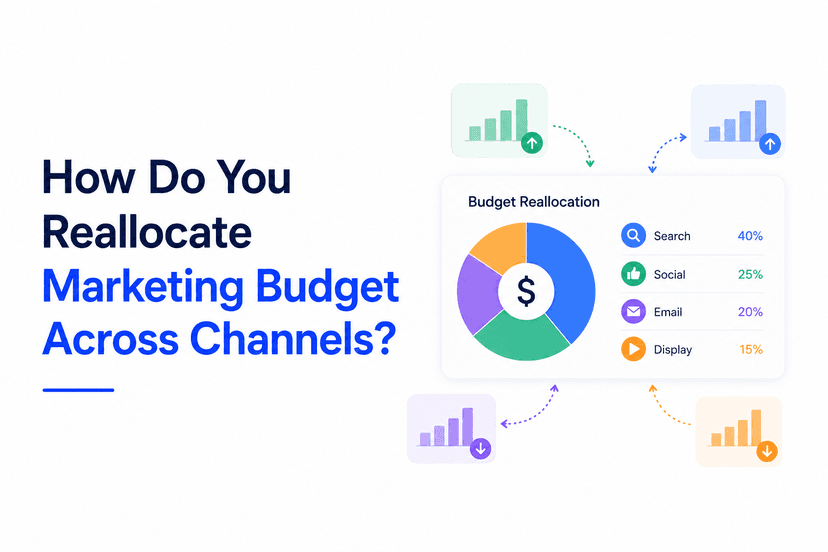
How Do You Reallocate Marketing Budget Across Channels?
You reallocate marketing budget by moving spend from lower-performing or saturated channels toward channels with stronger performance signals, better marginal returns, and more room to scale. The goal ...
Attributy
Learn
