2 months ago
3 MIN READ
News, Blog, Case Studies, Onboarding Guides, Research


Attributy
The marketing ROI formula helps you measure how much revenue your marketing generates compared with what you spent. In simple terms, it shows whether a campaign, channel, or overall marketing effort is producing a return that justifies the investment. For teams focused on growth, ROI calculation is one of the clearest ways to connect spend to business outcomes.
The basic formula is:
Marketing ROI = ((Revenue from marketing – Marketing cost) / Marketing cost) x 100
For example, if you spend $5,000 on a campaign and generate $20,000 in revenue, your marketing ROI is:
(($20,000 – $5,000) / $5,000) x 100 = 300%
That means you earned three times your investment, or a 300% return. In practice, many marketers use this formula alongside attribution and reporting tools to get a more accurate view of which channels influenced revenue. Teams that need deeper visibility often rely on marketing attribution software to connect campaign touchpoints to pipeline and sales outcomes.
Marketing ROI tells you whether your marketing spend is creating value. It is commonly used to compare campaigns, channels, time periods, or budget decisions. A strong ROI can signal that a campaign is efficient, while a weak ROI may suggest poor targeting, weak conversion paths, or inaccurate measurement.
Still, ROI is only as useful as the data behind it. One common mistake is using total revenue without isolating the revenue influenced by marketing. Another is ignoring costs like creative production, software, agency fees, or sales support. The formula itself is simple, but the real challenge is making sure your inputs are reliable.
This is why a marketing ROI example often looks clean on paper but becomes more complex in real reporting environments. If multiple channels contribute to one conversion, ROI calculation depends on how credit is assigned across those touchpoints.
Here is a simple marketing ROI example:
A company spends $10,000 on paid search and LinkedIn campaigns. Those campaigns generate $35,000 in attributed revenue.
ROI = (($35,000 – $10,000) / $10,000) x 100 = 250%
This means the marketing generated a 250% return. That is useful, but it does not automatically tell the full story. It may not reflect sales cycle length, profit margin, customer lifetime value, or the role of assisted conversions. In B2B and higher-consideration purchases, measuring ROI too early can lead to misleading conclusions.
For that reason, marketing teams usually pair ROI metrics with attribution reporting, conversion data, and pipeline analysis. If your team is trying to improve measurement accuracy across campaigns, you can also book a demo to explore how attribution tools support clearer ROI reporting.
You can also read

2 days ago
3 MIN READ
Lead Source Attribution: How to Track Leads from First Touch to Revenue
Lead source attribution is the process of identifying where a lead first came from and connecting that source to later pipeline, sales activity, and revenue. For marketing teams, it is one of the most ...
Attributy
Blog

4 days ago
3 MIN READ
Attribution Audit Checklist: Why Your Numbers Don’t Match
An attribution audit is a structured review of your tracking setup, attribution reporting, and conversion data to find why performance numbers differ across platforms. If Google Ads, GA4, Meta, CRM, a ...
Attributy
Learn

8 days ago
3 MIN READ
How to Build a Marketing Budget Plan Using ROI Signals
A marketing budget plan is a structured outline of how a business will allocate spending across campaigns, channels, tools, content, and experiments over a specific period. Instead of dividing money b ...
Attributy
Learn

12 days ago
3 MIN READ
Ad Spend Tracking: What Marketers Need to Measure
Ad spend tracking is the process of monitoring how much money your business spends on advertising and connecting that spend to measurable outcomes such as clicks, leads, conversions, revenue, marketin ...
Attributy
Learn
14 days ago
3 MIN READ
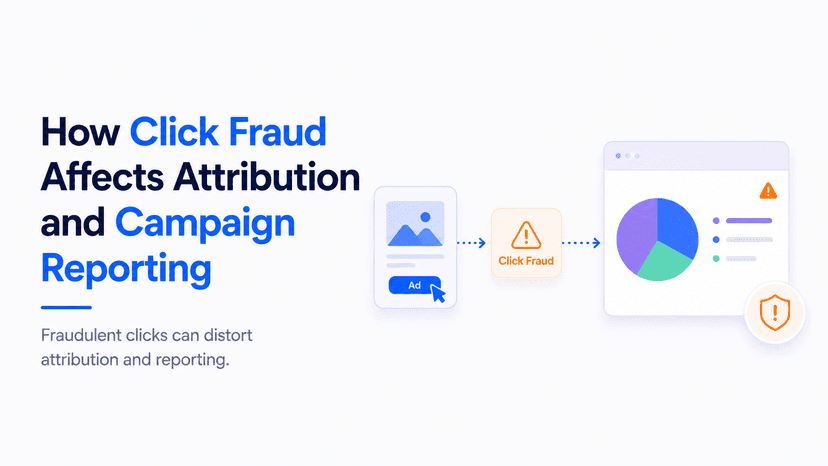
How Click Fraud Affects Attribution and Campaign Reporting
Click fraud attribution refers to the way fraudulent clicks distort how marketing teams assign credit to campaigns, channels, keywords, or ads. When fake clicks from bots, click farms, competitors, or ...
Attributy
Learn

17 days ago
3 MIN READ
How Do You Reallocate Marketing Budget Across Channels?
You reallocate marketing budget by moving spend from lower-performing or saturated channels toward channels with stronger performance signals, better marginal returns, and more room to scale. The goal ...
Attributy
Learn
19 days ago
3 MIN READ
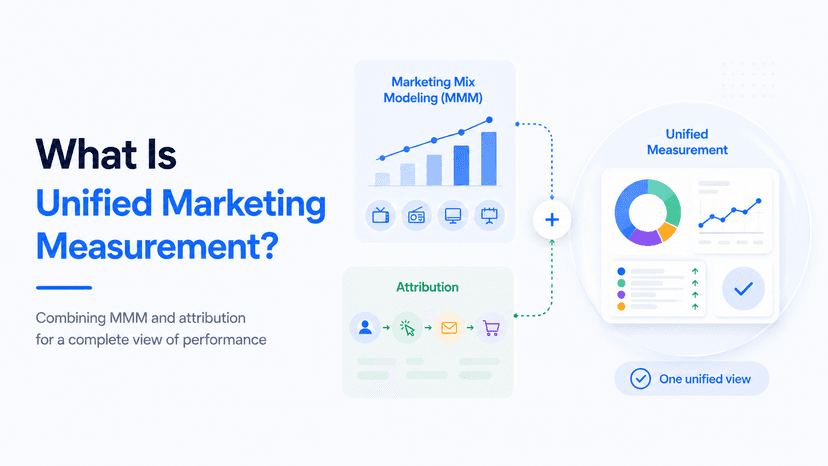
What Is Unified Marketing Measurement?
Unified marketing measurement is a marketing measurement framework that combines different data sources and methodologies to understand how marketing affects performance across channels, campaigns, an ...
Attributy
Learn

22 days ago
3 MIN READ
Propensity Scores in Marketing: What They Measure and How Teams Use Them
Propensity scores in marketing are numerical ratings that estimate how likely a person, account, or audience segment is to take a specific action. That action might be making a purchase, requesting a ...
Attributy
Learn
24 days ago
3 MIN READ
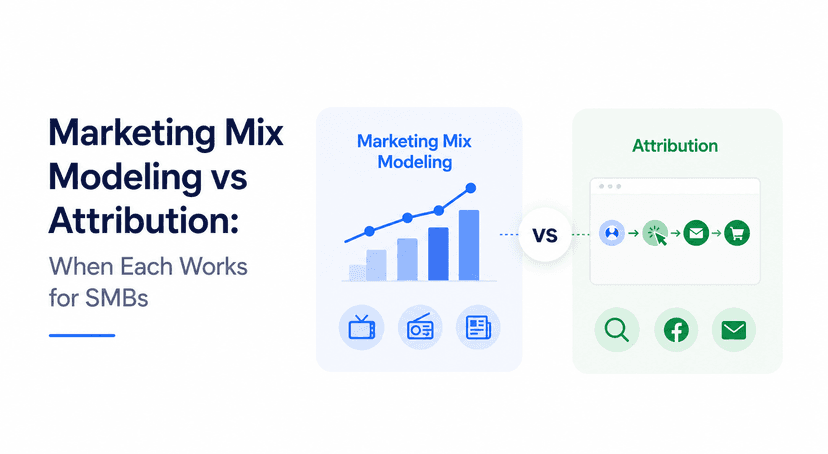
Marketing Mix Modeling vs Attribution: When Each Works for SMBs
Marketing mix modeling vs attribution is a common comparison for SMB marketing teams trying to understand what actually drives revenue. Both approaches help measure marketing performance, but they ans ...
Attributy
Blog

24 days ago
3 MIN READ
UTM Parameters: Definition and Best Practices
UTM parameters are short pieces of tracking code added to the end of a URL to identify where website traffic comes from and how a campaign performs. Marketers use UTM parameters, also called UTM tags, ...
Attributy
Learn
