2 months ago
3 MIN READ
News, Blog, Case Studies, Onboarding Guides, Research


Attributy
UTM parameters are short pieces of tracking code added to the end of a URL to identify where website traffic comes from and how a campaign performs. Marketers use UTM parameters, also called UTM tags, to track sources, channels, campaigns, and specific links in analytics and attribution tools.
For example, a paid social ad, email newsletter, and partner referral may all send visitors to the same landing page. UTM parameters help separate those visits so marketers can see which campaigns influenced traffic, leads, conversions, and revenue.
UTM parameters are URL tags that pass campaign information into analytics platforms. The most common UTM tags include:
A tagged URL might show that a visitor came from a LinkedIn paid campaign instead of organic social. This matters because campaign tracking depends on clean, consistent data. If the same source is tagged as linkedin, LinkedIn, and li, reporting can become fragmented and less reliable.
UTM parameters are especially important for conversion tracking because they help connect traffic sources to downstream actions. When used correctly, they make it easier to understand which campaigns are generating qualified visits, leads, pipeline, or purchases. For a broader view of how tracking connects to results, see this guide to conversion tracking.
The most important UTM best practice is consistency. Teams should use a clear naming system before launching campaigns, not after reporting issues appear. Define standard values for sources, mediums, campaign names, and content variations so everyone tags links the same way.
Use lowercase formatting, avoid spaces, and keep names descriptive but concise. For example, utm_medium=paid_social is usually clearer than utm_medium=socialad. Campaign names should reflect the campaign, not every detail of the ad setup. More granular details can go in utm_content.
Common mistakes include tagging internal links, using inconsistent naming, copying old UTM tags without checking them, and failing to document campaign conventions. These issues can break attribution reporting and make performance comparisons harder across channels.
UTM parameters are simple, but they play a major role in marketing measurement. Clean UTM tags support more reliable campaign tracking, better conversion tracking, and stronger attribution analysis. For teams managing multiple channels, a formal UTM governance system helps protect data quality as campaigns scale.
You can also read
5 days ago
3 MIN READ
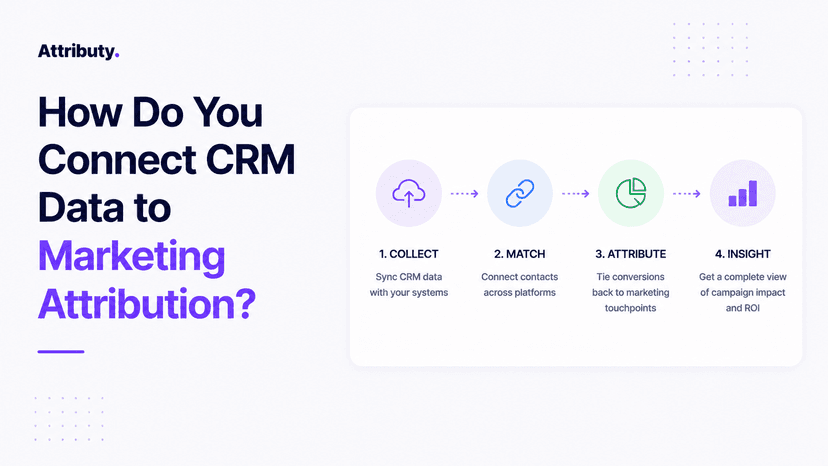
How Do You Connect CRM Data to Marketing Attribution?
How Do You Connect CRM Data to Marketing Attribution? Connecting crm to marketing attribution gives marketing and sales teams a clearer view of which campaigns, channels, and touchpoints influence pip ...
Attributy
Blog

11 days ago
3 MIN READ
Marketing Spend Optimization: How Attribution Improves Budget Decisions
Marketing spend optimization is the process of using performance data to decide where marketing budget should be increased, reduced, or reallocated. Instead of spreading spend evenly across channels, ...
Attributy
Learn

16 days ago
3 MIN READ
How Does Predictive Audience Targeting Improve ROI
Predictive audience targeting improves ROI by helping marketers focus budget on the users, leads, accounts, or segments most likely to convert. Instead of treating every audience member equally, predi ...
Attributy
Blog

19 days ago
3 MIN READ
What Is Marketing Mix Modeling (MMM)? Definition and Use Cases
Marketing mix modeling is a measurement method that analyzes how different marketing channels, external factors, and business conditions contribute to sales, revenue, or other outcomes over time. Ofte ...
Attributy
Learn

24 days ago
3 MIN READ
Lead Source Attribution: How to Track Leads from First Touch to Revenue
Lead source attribution is the process of identifying where a lead first came from and connecting that source to later pipeline, sales activity, and revenue. For marketing teams, it is one of the most ...
Attributy
Blog

25 days ago
3 MIN READ
Attribution Audit Checklist: Why Your Numbers Don’t Match
An attribution audit is a structured review of your tracking setup, attribution reporting, and conversion data to find why performance numbers differ across platforms. If Google Ads, GA4, Meta, CRM, a ...
Attributy
Learn
30 days ago
3 MIN READ
How to Build a Marketing Budget Plan Using ROI Signals
A marketing budget plan is a structured outline of how a business will allocate spending across campaigns, channels, tools, content, and experiments over a specific period. Instead of dividing money b ...
Attributy
Learn

1 month ago
3 MIN READ
Ad Spend Tracking: What Marketers Need to Measure
Ad spend tracking is the process of monitoring how much money your business spends on advertising and connecting that spend to measurable outcomes such as clicks, leads, conversions, revenue, marketin ...
Attributy
Learn
1 month ago
3 MIN READ
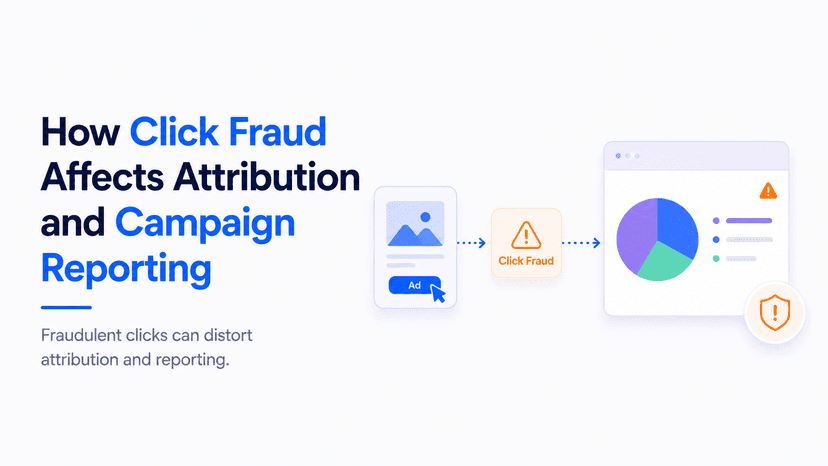
How Click Fraud Affects Attribution and Campaign Reporting
Click fraud attribution refers to the way fraudulent clicks distort how marketing teams assign credit to campaigns, channels, keywords, or ads. When fake clicks from bots, click farms, competitors, or ...
Attributy
Learn

1 month ago
3 MIN READ
How Do You Reallocate Marketing Budget Across Channels?
You reallocate marketing budget by moving spend from lower-performing or saturated channels toward channels with stronger performance signals, better marginal returns, and more room to scale. The goal ...
Attributy
Learn
