2 months ago
3 MIN READ
News, Blog, Case Studies, Onboarding Guides, Research


Attributy
View-through attribution is a measurement method that gives credit to an ad impression when a user sees an ad, does not click it, but later converts within a defined attribution window. In simple terms, it helps marketers understand whether ads may have influenced a conversion even when the ad did not generate a direct click.
This matters because not every ad works by driving an immediate action. Display, video, and social ads often create awareness first, then users return later through another channel, direct visit, or branded search. In that context, view-through attribution can add useful visibility to broader campaign influence and support more complete attribution reporting.
A typical setup starts when a user is served an ad impression. If that same user completes a conversion later, the platform may assign partial or full credit to that impression, as long as the conversion happens within the attribution window set by the platform or advertiser.
For example, a user sees a paid social ad for a software product on Monday, does not click, then visits the website directly on Thursday and books a demo. If the conversion tracking setup includes a view-through window, that ad impression may receive credit for influencing the conversion.
This is why view-through attribution is often used in channels where impressions matter as much as clicks. It helps marketers evaluate upper-funnel campaigns that may not produce immediate traffic but still contribute to performance. For teams trying to improve attribution reporting, it can be a helpful input alongside click-based models and other conversion tracking methods. If you want to understand how these touchpoints connect across channels, exploring Attributy’s Features can help clarify what deeper attribution visibility looks like in practice.
View-through attribution is most useful when you are measuring campaigns designed to build awareness or assist conversion indirectly. This includes display advertising, video campaigns, programmatic media, and some paid social activity where users often convert later through another source.
Still, it should be used carefully. Because the user did not click, view-through attribution can overstate the impact of impressions if your attribution window is too long or your tracking setup is not well controlled. It is best treated as one signal, not the only measure of campaign success.
A practical approach is to compare view-through data with click-through performance, assisted conversions, and overall pipeline outcomes. That gives a more balanced view of true campaign influence. For marketers looking to connect impression-level influence with real revenue outcomes, a dedicated marketing attribution platform can help make that analysis more reliable.
You can also read

14 hours ago
3 MIN READ
Ad Spend Tracking: What Marketers Need to Measure
Ad spend tracking is the process of monitoring how much money your business spends on advertising and connecting that spend to measurable outcomes such as clicks, leads, conversions, revenue, marketin ...
Attributy
Learn

3 days ago
3 MIN READ
How Click Fraud Affects Attribution and Campaign Reporting
Click fraud attribution refers to the way fraudulent clicks distort how marketing teams assign credit to campaigns, channels, keywords, or ads. When fake clicks from bots, click farms, competitors, or ...
Attributy
Learn

5 days ago
3 MIN READ
How Do You Reallocate Marketing Budget Across Channels?
You reallocate marketing budget by moving spend from lower-performing or saturated channels toward channels with stronger performance signals, better marginal returns, and more room to scale. The goal ...
Attributy
Learn
7 days ago
3 MIN READ
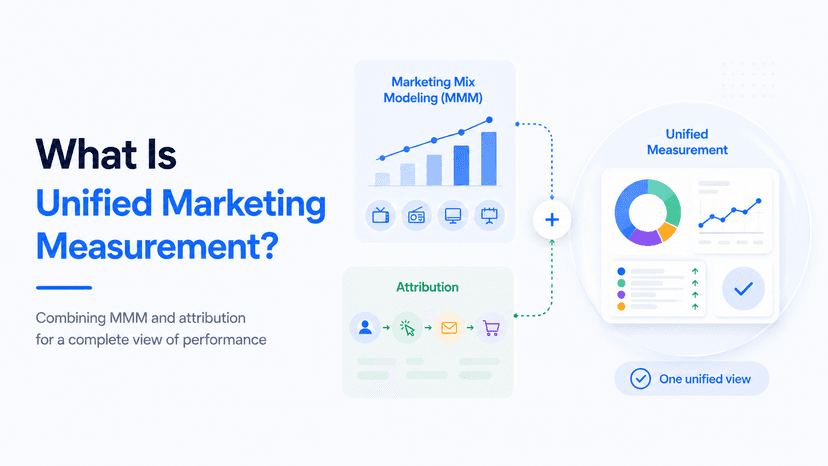
What Is Unified Marketing Measurement?
Unified marketing measurement is a marketing measurement framework that combines different data sources and methodologies to understand how marketing affects performance across channels, campaigns, an ...
Attributy
Learn

10 days ago
3 MIN READ
Propensity Scores in Marketing: What They Measure and How Teams Use Them
Propensity scores in marketing are numerical ratings that estimate how likely a person, account, or audience segment is to take a specific action. That action might be making a purchase, requesting a ...
Attributy
Learn
12 days ago
3 MIN READ
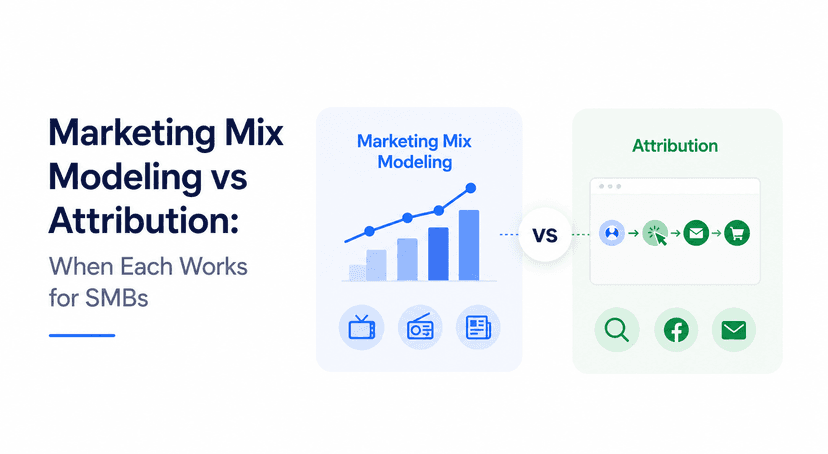
Marketing Mix Modeling vs Attribution: When Each Works for SMBs
Marketing mix modeling vs attribution is a common comparison for SMB marketing teams trying to understand what actually drives revenue. Both approaches help measure marketing performance, but they ans ...
Attributy
Blog

13 days ago
3 MIN READ
UTM Parameters: Definition and Best Practices
UTM parameters are short pieces of tracking code added to the end of a URL to identify where website traffic comes from and how a campaign performs. Marketers use UTM parameters, also called UTM tags, ...
Attributy
Learn

17 days ago
3 MIN READ
Marketing Budget Allocation: A Practical Framework for SMB Growth
Marketing budget allocation is the process of deciding how much money to invest across channels, campaigns, audiences, and marketing activities based on business goals, expected returns, and available ...
Attributy
Blog
19 days ago
3 MIN READ
Ad Spend Optimization: A Practical Guide for B2B & SMB Marketers
Ad spend optimization is the process of improving how marketing budget is allocated, measured, and adjusted so each dollar has a better chance of contributing to revenue, pipeline, or qualified demand ...
Attributy
Blog
21 days ago
3 MIN READ
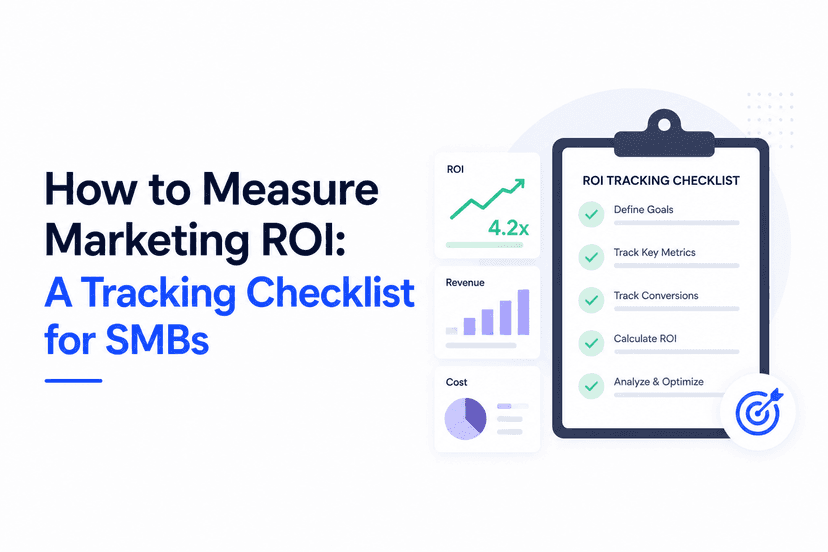
How to Measure Marketing ROI: SMB Tracking Checklist
Knowing how to measure marketing ROI is one of the most important skills for any SMB that wants to grow without wasting budget. Marketing ROI shows whether your campaigns are generating enough revenue ...
Attributy
Blog
