1 month ago
3 MIN READ
News, Blog, Case Studies, Onboarding Guides, Research


Attributy
Ad spend tracking is the process of monitoring how much money your business spends on advertising and connecting that spend to measurable outcomes such as clicks, leads, conversions, revenue, marketing ROI, and ROAS. It helps marketers understand where budget is going, which campaigns are producing value, and where spend may be wasted.
At a basic level, ad spend tracking includes the cost of running ads across channels like Google Ads, Meta, LinkedIn, display, paid search, paid social, and other media platforms. But effective tracking goes beyond recording advertising spend. It should connect cost data with campaign performance, conversion tracking, attribution, and revenue outcomes so teams can make better budget decisions.
Ad spend tracking matters because marketing teams need to know whether their paid media investment is producing profitable results. Without reliable tracking, a campaign may appear successful because it drives clicks or leads, while actually producing low-quality conversions or poor revenue outcomes.
The most useful ad spend tracking connects cost to performance metrics such as cost per click, cost per lead, cost per acquisition, ROAS, and marketing ROI. For example, a channel with a high cost per lead may still be valuable if those leads convert into high-value customers. On the other hand, a campaign with cheap clicks may waste budget if it attracts low-intent traffic or invalid traffic.
This is where attribution becomes important. Marketers often need to understand how different channels contribute across the customer journey, not just which ad received the final click. A strong attribution reporting setup can help connect ad spend to the touchpoints that influence conversions and revenue.
Marketers should track both spend and outcomes. At minimum, this includes total advertising spend, spend by channel, spend by campaign, impressions, clicks, conversions, cost per conversion, ROAS, and marketing ROI. These metrics should be reviewed together, because no single metric tells the full story.
Teams should also compare platform-reported performance with their own analytics and attribution data. Ad platforms often optimize toward their own conversion logic, which may not match how your business defines qualified leads, pipeline, or revenue. Using reliable conversion tracking software can help close this gap by connecting ad interactions to meaningful business results.
A common mistake is treating ad spend tracking as a finance exercise instead of a performance measurement process. The goal is not only to know how much was spent, but to understand what that spend produced and whether budget should be increased, reduced, or reallocated. For deeper performance analysis, marketers can also compare marketing ROI vs ROAS to understand profitability and ad efficiency from different angles.
If your team needs clearer visibility into ad spend, attribution, and campaign performance, you can contact us to see how Attributy can help.
You can also read
4 days ago
3 MIN READ
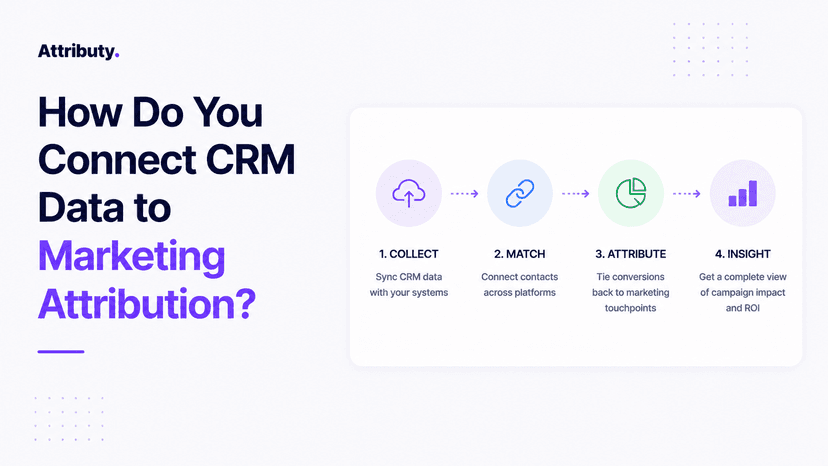
How Do You Connect CRM Data to Marketing Attribution?
How Do You Connect CRM Data to Marketing Attribution? Connecting crm to marketing attribution gives marketing and sales teams a clearer view of which campaigns, channels, and touchpoints influence pip ...
Attributy
Blog

10 days ago
3 MIN READ
Marketing Spend Optimization: How Attribution Improves Budget Decisions
Marketing spend optimization is the process of using performance data to decide where marketing budget should be increased, reduced, or reallocated. Instead of spreading spend evenly across channels, ...
Attributy
Learn

15 days ago
3 MIN READ
How Does Predictive Audience Targeting Improve ROI
Predictive audience targeting improves ROI by helping marketers focus budget on the users, leads, accounts, or segments most likely to convert. Instead of treating every audience member equally, predi ...
Attributy
Blog

18 days ago
3 MIN READ
What Is Marketing Mix Modeling (MMM)? Definition and Use Cases
Marketing mix modeling is a measurement method that analyzes how different marketing channels, external factors, and business conditions contribute to sales, revenue, or other outcomes over time. Ofte ...
Attributy
Learn

23 days ago
3 MIN READ
Lead Source Attribution: How to Track Leads from First Touch to Revenue
Lead source attribution is the process of identifying where a lead first came from and connecting that source to later pipeline, sales activity, and revenue. For marketing teams, it is one of the most ...
Attributy
Blog

25 days ago
3 MIN READ
Attribution Audit Checklist: Why Your Numbers Don’t Match
An attribution audit is a structured review of your tracking setup, attribution reporting, and conversion data to find why performance numbers differ across platforms. If Google Ads, GA4, Meta, CRM, a ...
Attributy
Learn
29 days ago
3 MIN READ
How to Build a Marketing Budget Plan Using ROI Signals
A marketing budget plan is a structured outline of how a business will allocate spending across campaigns, channels, tools, content, and experiments over a specific period. Instead of dividing money b ...
Attributy
Learn

1 month ago
3 MIN READ
How Click Fraud Affects Attribution and Campaign Reporting
Click fraud attribution refers to the way fraudulent clicks distort how marketing teams assign credit to campaigns, channels, keywords, or ads. When fake clicks from bots, click farms, competitors, or ...
Attributy
Learn
1 month ago
3 MIN READ
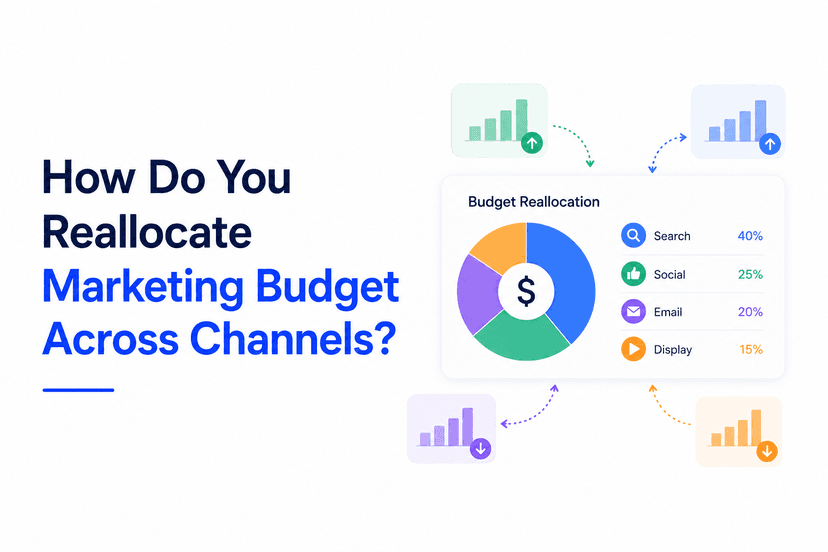
How Do You Reallocate Marketing Budget Across Channels?
You reallocate marketing budget by moving spend from lower-performing or saturated channels toward channels with stronger performance signals, better marginal returns, and more room to scale. The goal ...
Attributy
Learn
