16 days ago
3 MIN READ
News, Blog, Case Studies, Onboarding Guides, Research


Attributy
An attribution audit is a structured review of your tracking setup, attribution reporting, and conversion data to find why performance numbers differ across platforms. If Google Ads, GA4, Meta, CRM, and your attribution tool all show different results, the issue is usually not one single mistake. It is often a mix of tracking gaps, attribution model differences, timing rules, and data quality problems.
For marketing teams, an attribution audit helps separate normal reporting differences from errors that can distort budget decisions. Some discrepancies are expected because each platform uses its own attribution windows, conversion definitions, and reporting logic. The goal is not to make every number identical. The goal is to understand which source is most reliable for each decision.
Start by reviewing whether every conversion event is defined consistently. A lead, demo request, purchase, qualified opportunity, and closed deal should not be mixed together unless the report clearly explains the difference. Teams often compare platform conversions against CRM revenue without realizing they are measuring different stages of the customer journey.
Next, check your conversion tracking setup. Confirm that tags fire on the correct pages, forms, and events, and that duplicate conversions are not being counted. If a thank-you page refresh, form resubmission, or duplicate CRM sync creates extra events, attribution reporting can overstate performance. For a deeper foundation, review the basics of conversion tracking.
UTM consistency is another common issue. Broken naming conventions, missing campaign parameters, and inconsistent source or medium values can split the same campaign into several reporting rows. A clear UTM governance process helps prevent campaign data from becoming fragmented.
Finally, review attribution windows and models. First-click, last-click, multi-touch, and data-driven models can all assign credit differently. That does not mean one report is automatically wrong. It means the team needs to understand how each model works before comparing results. This is especially important when reviewing attribution reporting across paid media, analytics, and CRM systems.
Attribution numbers often do not match because platforms are designed to report from their own perspective. Ad platforms may claim conversions influenced by their ads, analytics tools may prioritize site behavior, and CRM systems may focus on pipeline or revenue outcomes. These tools answer related but different questions.
Data discrepancies can also come from cookie loss, consent settings, offline conversions, cross-device journeys, delayed CRM updates, and bot or invalid traffic. A lead might click an ad on mobile, return later from desktop, submit a form, and close weeks after the first touch. Without clean tracking and identity resolution, each system may record only part of that path.
A useful attribution audit should document the source of each discrepancy, classify whether it is expected or problematic, and recommend fixes. For example, a model difference may only need explanation, while duplicate conversion events require immediate correction.
The best outcome is a reporting system the team can trust. Clean attribution does not mean perfect data. It means your marketing, sales, and finance teams understand what each number represents and can use the right report for budget, ROI, and channel performance decisions.
You can also read

1 day ago
3 MIN READ
Marketing Spend Optimization: How Attribution Improves Budget Decisions
Marketing spend optimization is the process of using performance data to decide where marketing budget should be increased, reduced, or reallocated. Instead of spreading spend evenly across channels, ...
Attributy
Learn
7 days ago
3 MIN READ
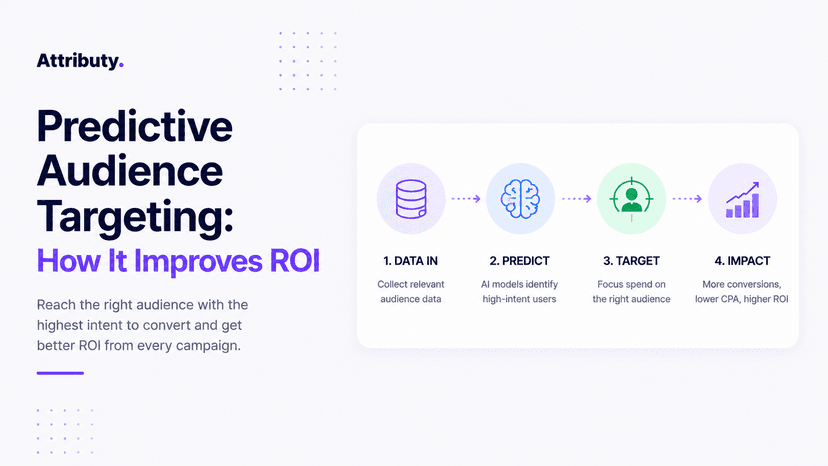
How Does Predictive Audience Targeting Improve ROI
Predictive audience targeting improves ROI by helping marketers focus budget on the users, leads, accounts, or segments most likely to convert. Instead of treating every audience member equally, predi ...
Attributy
Blog

10 days ago
3 MIN READ
What Is Marketing Mix Modeling (MMM)? Definition and Use Cases
Marketing mix modeling is a measurement method that analyzes how different marketing channels, external factors, and business conditions contribute to sales, revenue, or other outcomes over time. Ofte ...
Attributy
Learn
14 days ago
3 MIN READ
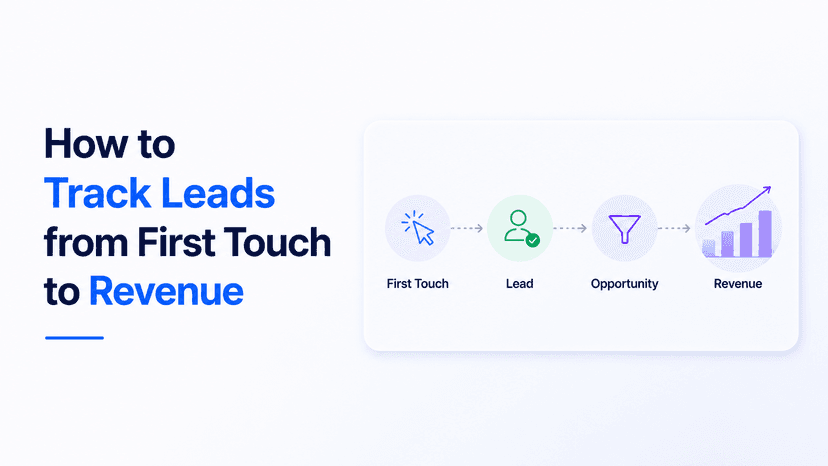
Lead Source Attribution: How to Track Leads from First Touch to Revenue
Lead source attribution is the process of identifying where a lead first came from and connecting that source to later pipeline, sales activity, and revenue. For marketing teams, it is one of the most ...
Attributy
Blog

20 days ago
3 MIN READ
How to Build a Marketing Budget Plan Using ROI Signals
A marketing budget plan is a structured outline of how a business will allocate spending across campaigns, channels, tools, content, and experiments over a specific period. Instead of dividing money b ...
Attributy
Learn

24 days ago
3 MIN READ
Ad Spend Tracking: What Marketers Need to Measure
Ad spend tracking is the process of monitoring how much money your business spends on advertising and connecting that spend to measurable outcomes such as clicks, leads, conversions, revenue, marketin ...
Attributy
Learn
27 days ago
3 MIN READ
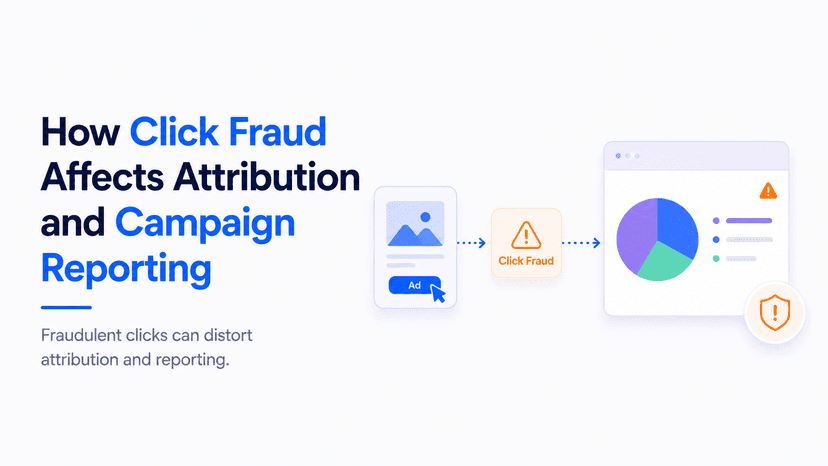
How Click Fraud Affects Attribution and Campaign Reporting
Click fraud attribution refers to the way fraudulent clicks distort how marketing teams assign credit to campaigns, channels, keywords, or ads. When fake clicks from bots, click farms, competitors, or ...
Attributy
Learn

29 days ago
3 MIN READ
How Do You Reallocate Marketing Budget Across Channels?
You reallocate marketing budget by moving spend from lower-performing or saturated channels toward channels with stronger performance signals, better marginal returns, and more room to scale. The goal ...
Attributy
Learn
1 month ago
3 MIN READ
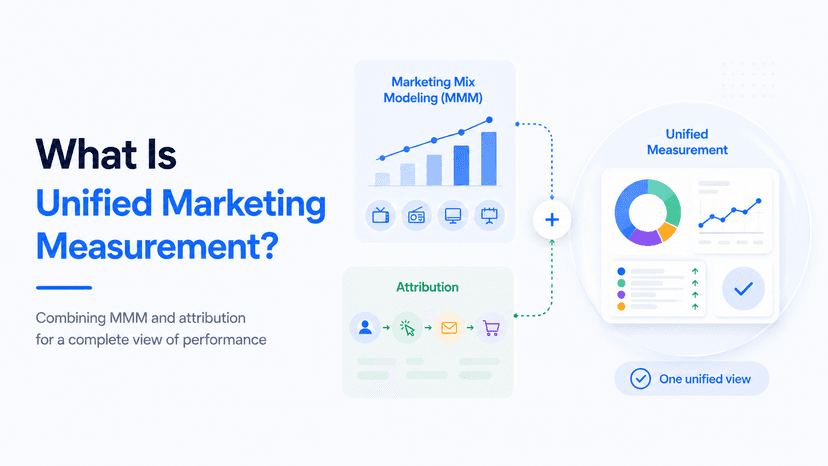
What Is Unified Marketing Measurement?
Unified marketing measurement is a marketing measurement framework that combines different data sources and methodologies to understand how marketing affects performance across channels, campaigns, an ...
Attributy
Learn
